 BTS MIAMI WIKI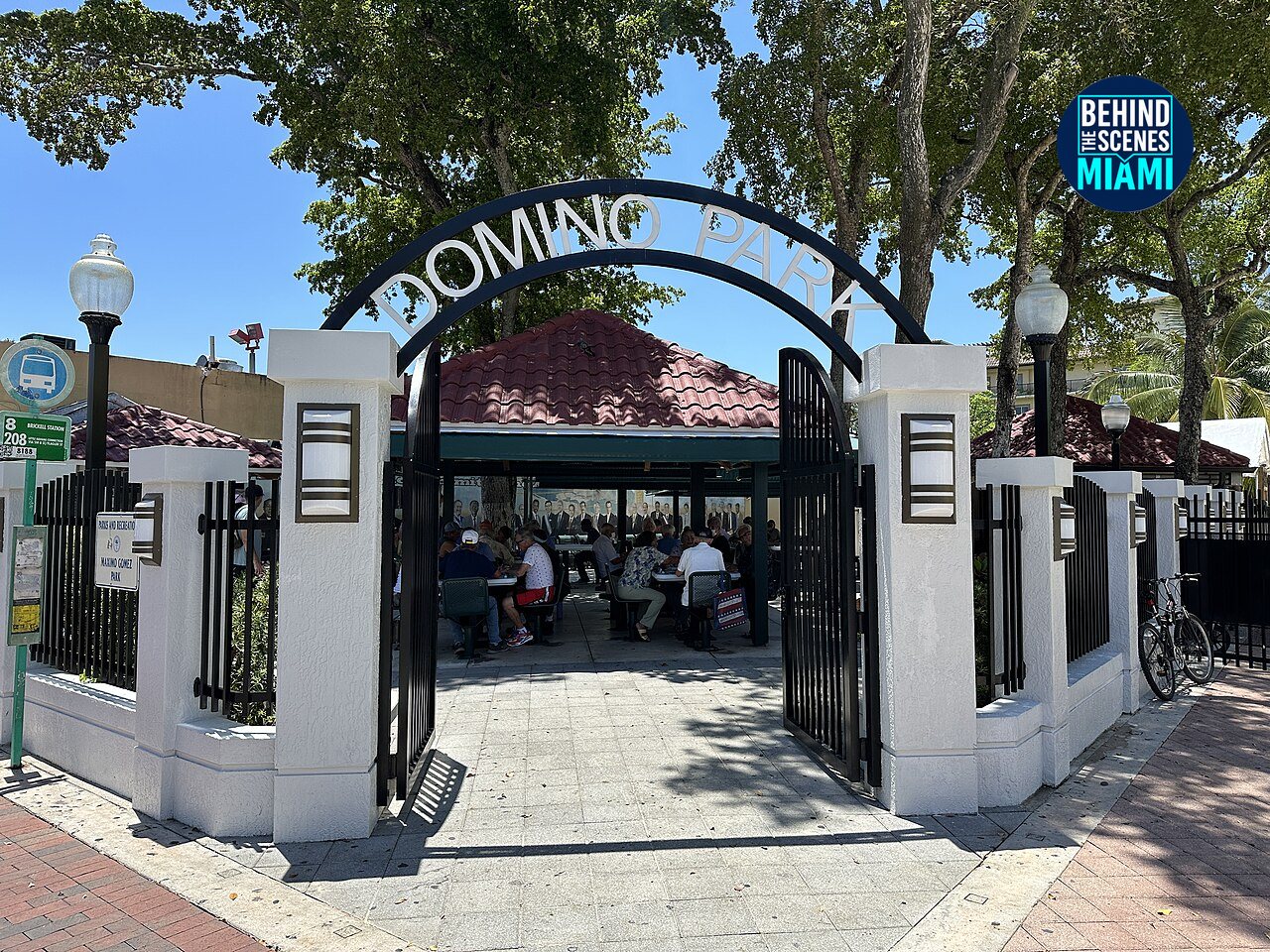
Cuban Community
No community shaped modern Miami more than the Cubans. Arriving in waves from 1959 on, the early exiles, the Mariel boatlift of 1980, and every year since: they built businesses, media, political power and a culture that became Miami's default setting: the cafecito, the croqueta, the domino table, the salsa on the radio.
We tell this story with respect: it is a story of loss turned into building. Miami is what it is because Cubans refused to start over small.
The story in Miami
After the 1959 Cuban Revolution, hundreds of thousands of Cubans settled in Miami, especially along what became Little Havana. The Freedom Tower in Downtown processed refugees in the 1960s: 'the Ellis Island of the South.' The 1980 Mariel boatlift brought some 125,000 more.
From exile economy to establishment: Cuban-Americans built media empires, banks, and City Hall itself. The community's journey from refugees to the city's most influential group is one of America's great urban stories: documented, studied, and still unfolding.
Where the community lives
Little Havana remains the symbolic capital. Calle Ocho, Máximo Gómez Park, the Tower Theater. Cuban Miami also runs deep in Hialeah, Westchester and across Miami-Dade. Wherever you are in Miami, you are never far from a ventanita.
Food, music, traditions
The rituals: the 3:05 cafecito, the colada shared at work, croquetas at every party, roast pork at Christmas, dominoes as a contact sport. The music: salsa, timba, and the songs of exile that every generation learns. Calle Ocho Festival each March is the community's great street party.
The vibe
Cuban Miami is loud love: family first, politics always, nostalgia as a daily practice. The older generation still talks about the island in present tense; the younger ones remix the heritage into art, food and music. It is a culture that holds grief and celebration in the same hand, and shares both generously.
See also
Reviews (0 reviews)
No reviews yet. Be the first to review this place.