 BTS MIAMI WIKI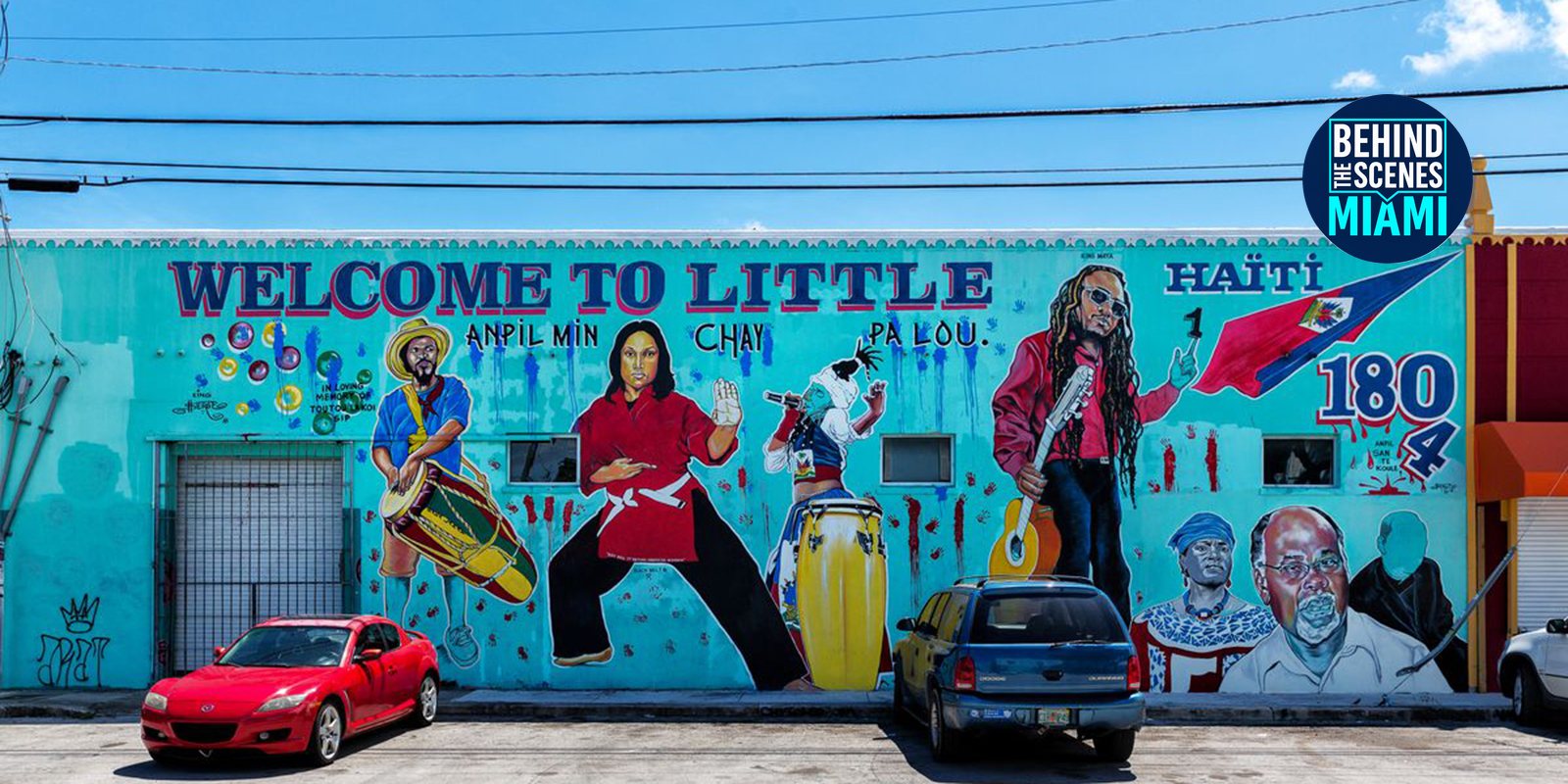
Haitian Community
Haitians built one of America's most important diaspora capitals in Miami. Arriving from the 1970s on, they created Little Haiti, kept their language and faith alive, and gave the city kompa, griot, and a lesson in resilience.
We honor this community as builders: of a neighborhood, of institutions, of a culture that refuses to be invisible.
The story in Miami
Haitian migration to Miami grew from the 1970s, with a major wave in the early 1980s as people fled the Duvalier regime: many arriving by boat in perilous crossings. Community leader Viter Juste named the neighborhood 'Little Haiti,' and it became the cultural capital of the Haitian diaspora in the United States.
Haitian-Americans in Miami built churches, radio stations, schools and businesses: an entire civic infrastructure, created from nothing.
Where the community lives
Little Haiti is the historic and symbolic center: the Caribbean Marketplace, the botanicas, the bookstores. The community extends across North Miami, El Portal and Miami-Dade.
Food, music, traditions
Griot with pikliz, diri djondjon, soup joumou on Independence Day (January 1st), a dish of freedom, eaten with pride. The music: kompa's smooth groove, rara's street processions, rasin roots. Faith, Catholic and Vodou traditions: runs deep and respectfully private.
The vibe
Haitian Miami is dignity and color: the best-dressed church crowds on Sunday, the murals of heroes, the Creole heard on every corner of Little Haiti. It is a community that survived the crossing and built something permanent, and keeps building.
See also
Reviews (0 reviews)
No reviews yet. Be the first to review this place.