Historic Overtown
Historic Overtown is one of the oldest neighborhoods in Miami: a self sustaining Black community founded by the workers who built Henry Flagler's railroad, just northwest of Downtown. First known as Colored Town, it grew into the cultural and commercial capital of Black South Florida, a district of theaters, hotels, churches, clubs and hundreds of Black owned businesses along NW 2nd and 3rd Avenues.
Its stages earned it two nicknames that still define it: Little Broadway for its entertainment district, and the Harlem of the South for the music that poured out of it. To understand Miami, you have to start here.
The story
Overtown begins with the railroad. Black workers, many of them Bahamian, came to build Flagler's line and the hotels that followed, and segregation confined them to the northwest quadrant of the new city. When Miami incorporated in 1896, Black voters cast 162 of the 367 votes in favor, and the community they built became a city within the city: schools, churches, restaurants, a tennis court, and first class hotels such as the Mary Elizabeth Hotel, built and operated by Dr. W. B. Sawyer, Sr., which hosted figures including Thurgood Marshall, Adam Clayton Powell, Mary McLeod Bethune and W. E. B. Du Bois.
By the middle of the twentieth century the neighborhood held hundreds of businesses and tens of thousands of residents. Because Black performers who headlined on Miami Beach could not stay there under segregation, they crossed to Overtown after their shows, and its clubs and hotels filled late into the night.
The Lyric and Little Broadway
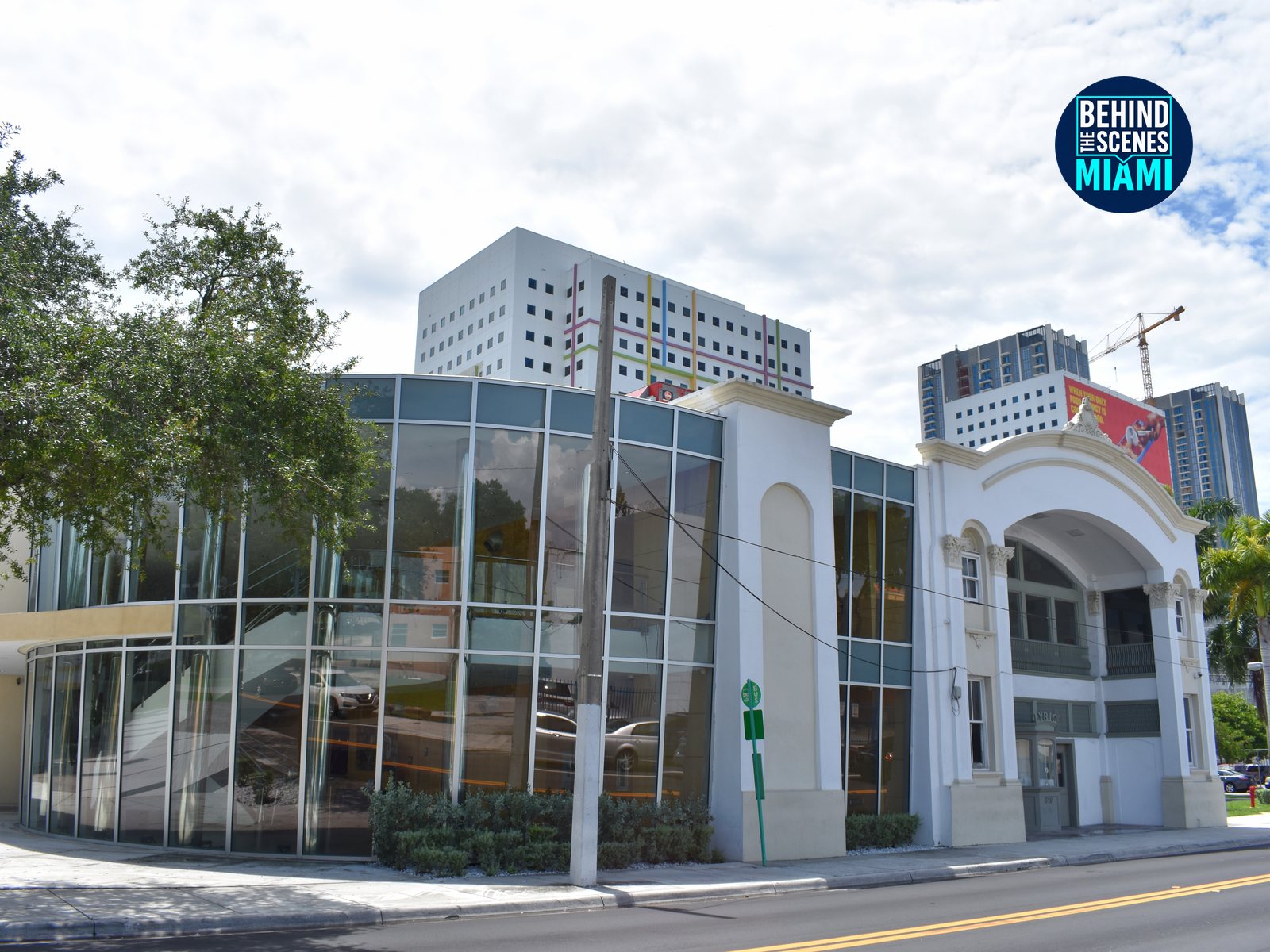
The crown of the district is the Lyric Theater at 819 NW 2nd Avenue. Built, owned and operated by Geder Walker, a Black businessman from Georgia, the 400 seat theater opened in 1913 and anchored the strip known as Little Broadway. In 1915 the Miami Metropolis called it possibly the most beautiful and costly playhouse owned by Colored people in all the Southland.
For nearly fifty years the Lyric served as a movie and vaudeville house, a concert stage and a community auditorium. The Florida heritage marker at the theater lists performers and visitors including Billie Holiday, Nat King Cole, Ella Fitzgerald, Marian Anderson, Bessie Smith, Sam Cooke and Count Basie. The theater became a church in 1959, survived the demolition that took most of Little Broadway, was acquired by the Black Archives in 1988, was listed on the National Register of Historic Places in 1989, and reopened to audiences in 2000 after extensive restoration.
The highway years
In the 1960s, federal, state and city governments routed Interstate 95 and Interstate 395 through the heart of Overtown, using eminent domain across its residential and commercial core. Segregation by Design, a research project that documents the neighborhood, records the forcible relocation of more than 12,000 residents, nearly all of them Black, with owners compensated below market value and renters offered nothing.
The population fell from roughly 50,000 to around 10,000, and most of the buildings of Little Broadway were destroyed. The Lyric survived as the lone remaining building of the district. That wound is part of the article, and part of the city: Overtown's revival is written in full awareness of what was taken.
What to experience
Start at the Black Archives Historic Lyric Theater Cultural Arts Complex on NW 2nd Avenue, the oldest legitimate theater in Miami and the center of the Historic Overtown Folklife Village. Walk the NW 2nd Avenue corridor, take in the churches, murals and surviving historic buildings, and check the Lyric calendar for concerts and community programs.
Pair the visit with HistoryMiami Museum and our Origins of Miami for the full arc, and with Little Haiti for the other great Caribbean rooted neighborhood of the city's north side.
Sources & references
- History of Overtown's Lyric Theater (The Black Archives)
- Lyric Theater and Overtown (Florida Historical Marker 1035, Florida Department of State)
- Overtown: Overview (Segregation by Design)
See also
Reviews (0 reviews)
No reviews yet. Be the first to review this place.